
IT Infrastructure & Managed Services
Collaboration & AV
Your teams collaborate with HQ every day. We deploy meeting rooms, unified communications and digital signage that just work and keep working.
What's included
How we help
Meeting rooms
Microsoft Teams Rooms, Zoom Rooms and Webex devices, standardised across sites.
Boardroom & town-hall AV
Large displays, audio, cameras and control systems.
Unified communications
Calling, contact centre and collaboration platforms.
Digital signage
Lobby, wayfinding and internal communications screens.
A meeting room is judged on audio
Video quality is what gets demonstrated and audio is what determines whether the meeting works. Participants tolerate a mediocre picture and will not tolerate not being heard, or hearing a room as an echo. Most complaints attributed to the video system are microphone coverage and room acoustics.
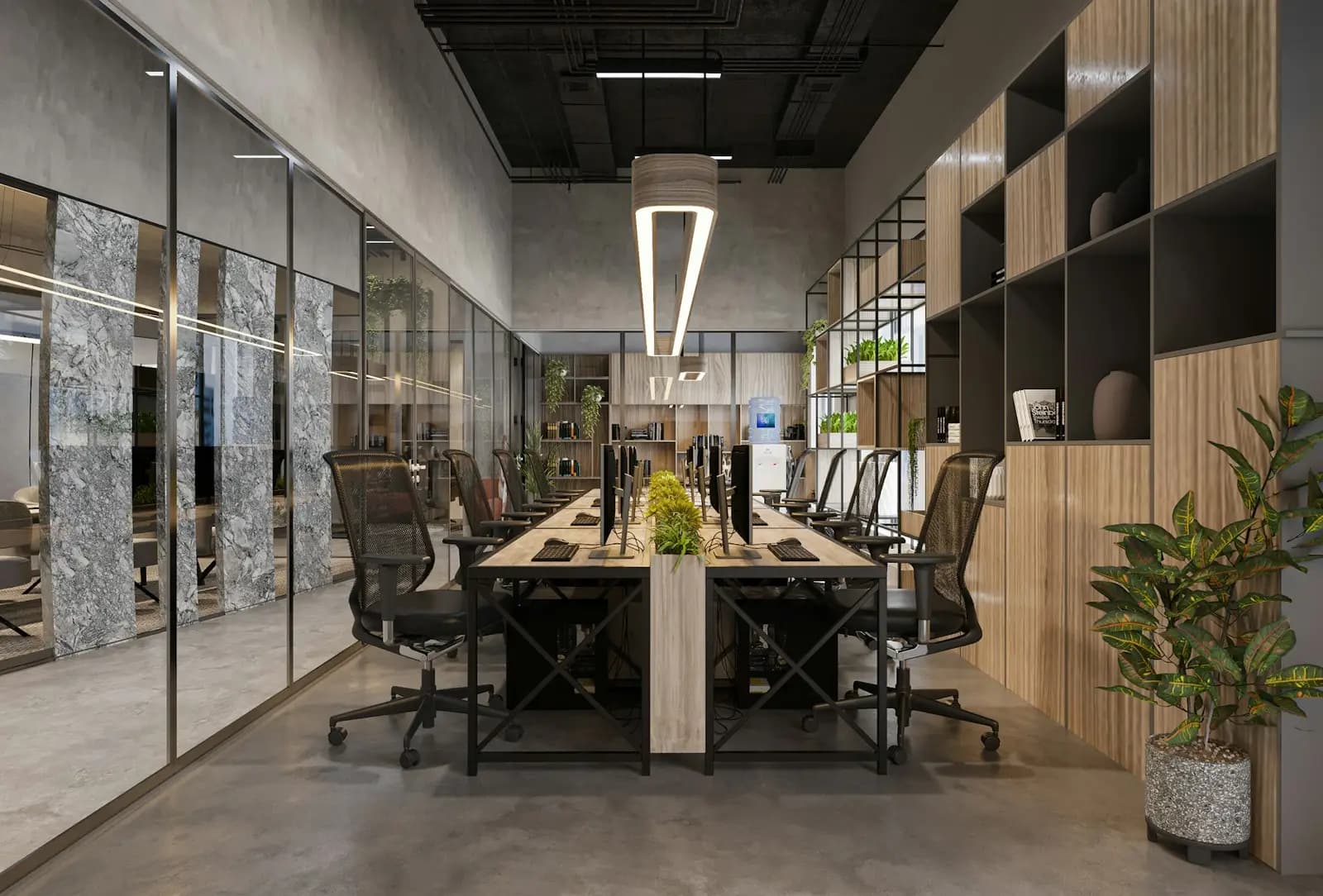
Hard surfaces, glass walls and the long rooms common in fitted out offices all work against intelligible audio. Treating acoustics during fit out is far cheaper than retrofitting it, and it is the part most likely to be cut from the specification because it is the least visible.
In a capability centre, where a large proportion of work happens on calls with colleagues in other countries, this is not a comfort issue. It is a productivity one.
Standardise the rooms so nobody has to learn them
Every room configured differently produces a predictable outcome: meetings start late, support tickets are frequent, and people avoid the rooms they find unreliable. Standard room types with the same layout and the same joining experience remove most of that friction.
Three or four defined types covering huddle, standard, large and town hall is usually enough. The value is that a person walking into any room already knows how it works, and support knows what they are fixing.
It also makes the estate maintainable. Non standard rooms accumulate exceptions, and an exception is something only one engineer understands.
Design for the network the calls actually run over
Room systems depend on the network, and a video estate added without reviewing capacity and quality of service is where contention shows up first. A floor of people on simultaneous calls is a sustained load, not a burst, and it competes with everything else.
Where sites connect back to headquarters, the path matters as much as the bandwidth, because latency and jitter degrade a call long before raw capacity runs out.
This is another argument for designing collaboration alongside networking rather than after it, since the fix once rooms are installed is usually a network change rather than an audio visual one.
Related
You may also need


Planning a GCC in India?
Talk to us about your timelines, headcount and technology needs. We'll come back with a clear plan and a single point of contact.